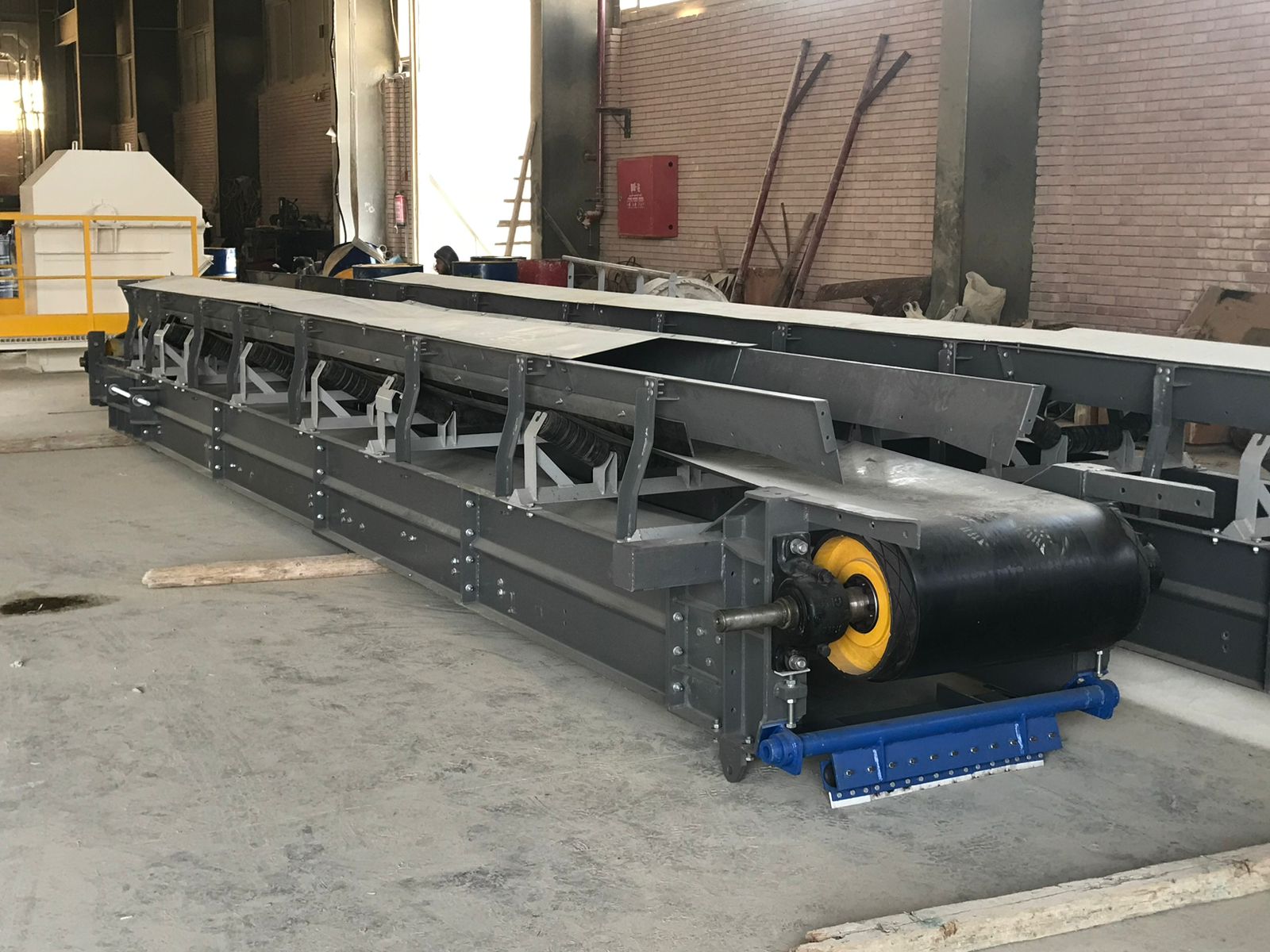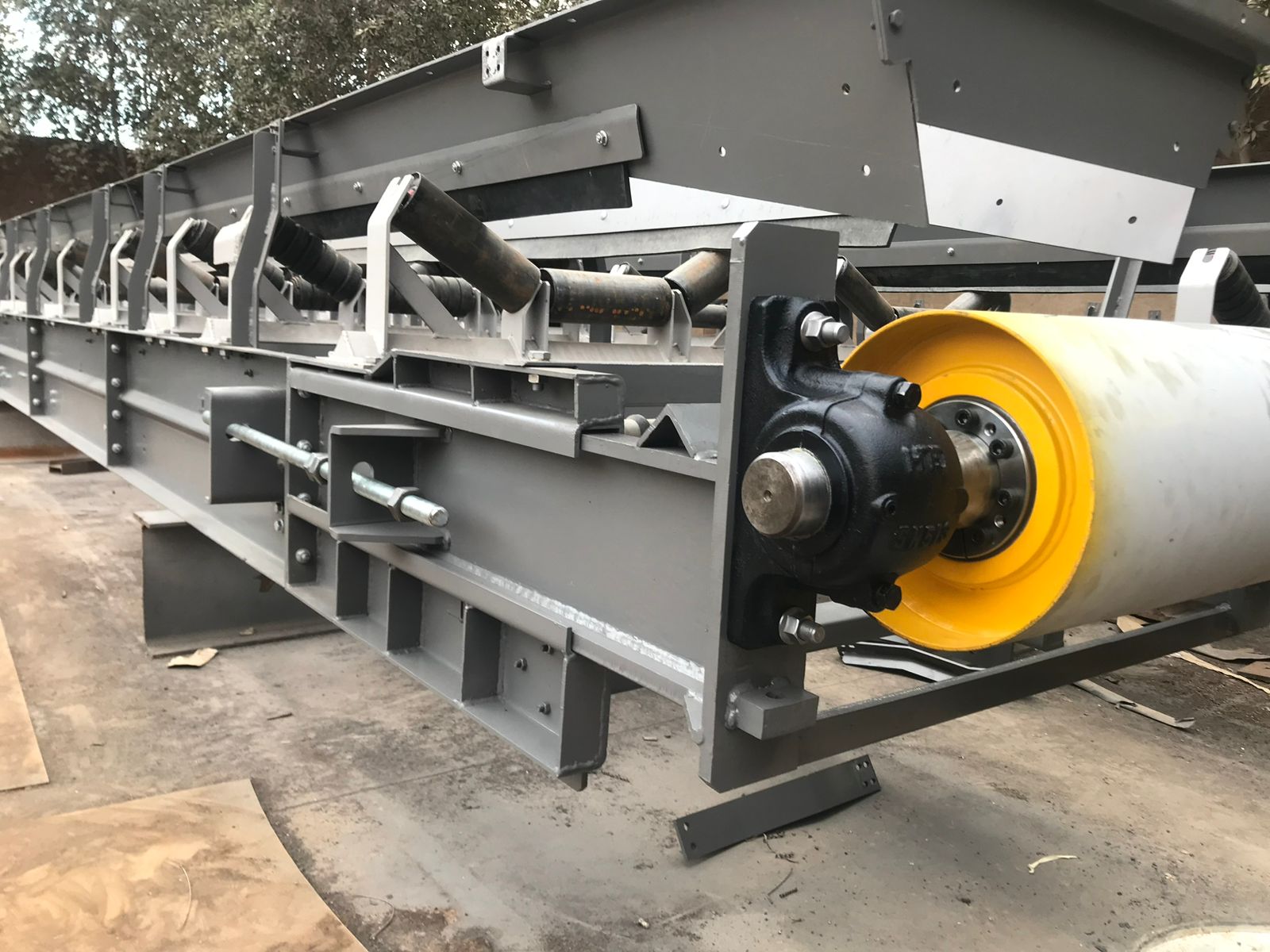
Belt conveyors are

 a type of material handling equipment used to transport items or bulk materials from one point to another. They consist of a continuous loop in of a belt made of various materials, such as rubber, fabric, or metal, that rotates around two or more pulleys. Belt conveyors are widely used in industries such as manufacturing, logistics, mining, agriculture, and more due to their versatility and efficiency.

Here are some key features and components of belt conveyors:

Belt:

 The conveyor belt is the main component of a belt conveyor system. It carries the load and is typically made of layers of rubber or fabric material with reinforcement to provide strength and durability. The belt can be flat or have various patterns or cleats to prevent items from slipping or to facilitate the transport of specific materials.

Pulleys:

 Belt conveyors have at least two pulleys, known as the drive pulley and the idler pulley. The drive pulley is powered by a motor and is responsible for driving the belt, while the idler pulley provides support and tension to ensure proper belt alignment and operation.

Conveyor Bed:

Belt conveyors are powered by a drive mechanism, typically an electric motor, which provides the rotational power to drive the belt. The motor is connected to the drive pulley through gears, chains, or direct coupling.


Drive Mechanism:

Belt conveyors are powered by a drive mechanism, typically an electric motor, which provides the rotational power to drive the belt. The motor is connected to the drive pulley through gears, chains, or direct coupling.

Supports and Stands:

Belt conveyors are typically supported by stands or structures at appropriate intervals to maintain stability and prevent sagging of the belt. These supports can be adjustable in height to accommodate different applications.

Controls and Sensors:

Belt conveyors may be equipped with controls and sensors to monitor and control the speed, direction, and operation of the conveyor system. Sensors can detect the presence of items, control the loading and unloading processes, and ensure safe and efficient operation.

Accessories:

Additional components and accessories can be added to belt conveyors based on specific requirements. These may include side guides, belt cleaners, safety guards, weighing systems, and more.


Belt conveyors

offer several advantages, including high efficiency, continuous operation, and the ability to transport a wide range of items and materials over long distances. They can be customized to suit specific applications and integrated into larger material handling systems.

It’s important to consult with conveyor system manufacturers or suppliers to determine the appropriate type and configuration of belt conveyor for your specific needs, as factors such as load capacity, speed, material characteristics, and environmental conditions can influence the design and selection of a belt conveyor system.